The Octopath Traveler Series Is the Most Popular, It Features Fascinating Stories!
FUME SCAN - Square Enix has frequently set trends with its games—from introducing staples of the JRPG and turn-based genres to cementing "job systems" as a core fixture.
We have seen this happen time and again, and the Octopath Traveler series stands out as one of the more influential examples in recent years.
With versions now available for the Switch 2 and GOG—not to mention the approaching 10th anniversary of the original game—it is fitting to reflect on how the series has shaped the gaming landscape over the past few years.
To begin with, a brief reminder: the hallmark of Octopath Traveler and its sequel is that they tell the stories of multiple characters.
Information reported by siliconera.com, Across the two main entries, we follow eight heroes, each with their own individual narrative and a specific "job" (or class) assigned to them—a revival of the classic job system long associated with Square Enix.
❖❖ : Highlight of Manhwa Perfect Enemy English Subtitle, See Full Synopsis And Details Here
While the original game featured no overlap between the characters' stories, the sequel introduced such intersections. A prequel also emerged—initially as the mobile title Octopath Traveler: Champions of the Continent, and later as an offline, standalone adaptation for consoles and PC, Octopath Traveler 0.
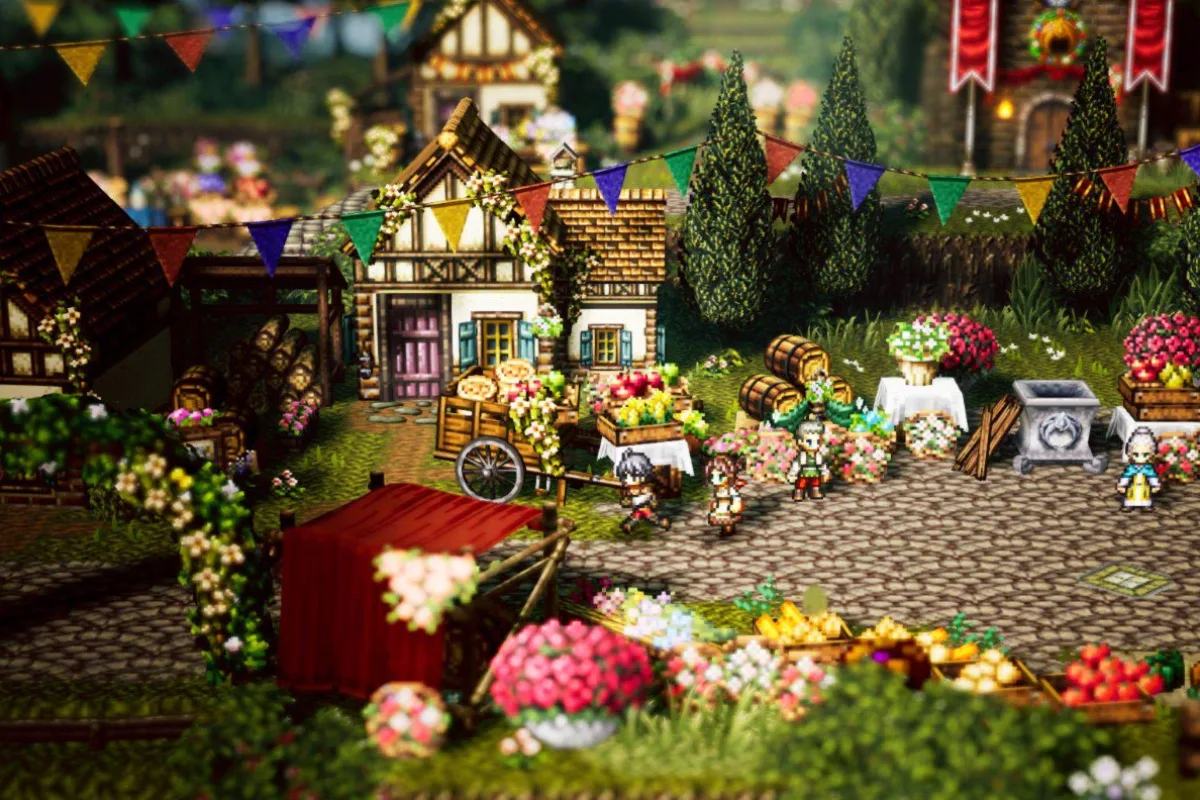
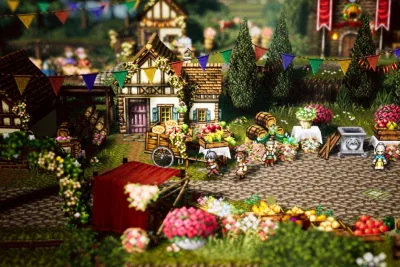
Perhaps the most evident influence lies in the series' artistic direction. With Octopath Traveler, Square Enix established its "HD-2D" aesthetic: a 3D world populated by high-definition 2D sprites for characters, enemies, and other elements.
Square Enix and developer Acquire pioneered this style in the original game and further refined it in the sequel.
Since then, the company has applied this aesthetic to other flagship franchises, such as Dragon Quest and Final Fantasy, as well as to original intellectual properties like The Adventures of Elliot: The Millennium Tales.
Furthermore, other developers have sought to emulate this approach. Wandering Sword, from Swordman Studio, adopts this exact visual style, while the notable indie title Cassette Beasts offers its own unique take on this artistic direction.
Some of these ideas can be seen in Eiyuden Chronicle: Hundred Heroes, and we are likely to see even more, given that RPG Maker U2U will incorporate an HD-2D perspective approach.
However, I believe other elements of the Octopath Traveler series are just as significant and influential. We might overlook them because they are based on pre-existing concepts, but these games execute them exceptionally well.
❖❖ : Highlight of Manhwa Perfect Enemy English Subtitle, See Full Synopsis And Details Here
The fragmented narrative structure is one such example; every main character in each entry receives a complete, fully-fledged story arc. No single character feels like the "main" protagonist—they all receive equal treatment and attention. They are prioritized in a way that fosters their individual growth while deepening our engagement with the story as players.
Similarly, the Octopath Traveler series provided Square Enix with a sandbox to experiment with JRPG job systems, enhanced by thoughtful quality-of-life adjustments.
Linking jobs to specific characters is compelling, but the license system—which allows for secondary jobs and multiclassing—is even more inspired, especially with advanced classes like the Armsmaster, Inventor, Sorcerer, or Warmaster.
The Octopath Traveler series has proven to be highly influential, with its HD-2D aesthetic representing only a small fraction of that impact. With the upcoming release of the Switch 2 and the series' 10th anniversary approaching in 2028,
it is fascinating to look back at the time since these games first launched and observe how Square Enix—and other developers—have responded to them and their success. I truly hope that the job systems and the emphasis on a large, ensemble cast prove to be just as influential as the games' distinctive visual aesthetic.
Latest Updates
Check It Out! What Does 'Regret' Mean in the Manhwa Cry, or Better Yet, Beg Chapter 93 in English?
Saturday / 31-10-2026, 00:42 EST
Complete List of Spoilers for the Manhwa Cry, or Better Yet, Beg Chapter 92 in English, RAW! Layla’s Departure
Saturday / 31-10-2026, 00:25 EST
Time for a Date! Explanation of the BL Manhwa Nice To See You Chapter 25 in English
Saturday / 31-10-2026, 00:02 EST
RAW! New Developments in the BL Manhwa Nice To See You Chapter 24 (English), Season 2 Set to Release
Friday / 30-10-2026, 23:40 EST
Thrilling Action! A Comparison of Adventures in the Manhwa Solo Leveling: Ragnarok Chapter 70 (ENG SCAN)
Friday / 30-10-2026, 23:27 EST
RAW! New Recommendations for the Manhwa Solo Leveling: Ragnarok Chapter 69 in English, Waiting for the New Season
Friday / 30-10-2026, 23:04 EST
Dangerous When Alone! Unique Facts About Magic Emperor Manhua Chapter 931 in English
Friday / 30-10-2026, 22:48 EST
Release Schedule for Magic Emperor Manhua Chapter 930 in English, RAW! The Troublesome Woman
Friday / 30-10-2026, 22:26 EST
Experience the BL Manhwa Finding My Angel in English, Read Full Chapters for Free Without Logging In
Friday / 30-10-2026, 22:03 EST
A Little Awkward! Predictions for Chapter 14 of the BL Manhwa Finding My Angel in English
Friday / 30-10-2026, 21:41 EST
RAW! Who Wins in Chapter 13 of the BL Manhwa Finding My Angel in English? Here’s the Answer
Friday / 30-10-2026, 21:28 EST
Analysis of the BL Manhwa Scandalous Wedding in English Full Chapters 1–49, Read for Free
Friday / 30-10-2026, 21:01 EST
The Fear Never Leaves Raccoon City, Why Resident Evil 3 Remake Remains a Chilling Experience
Friday / 30-10-2026, 20:41 EST
From Rivalry to Romance! How Chika Fujiwara Helps Miko Iino Face Her Feelings for Ishigami
Friday / 30-10-2026, 20:27 EST