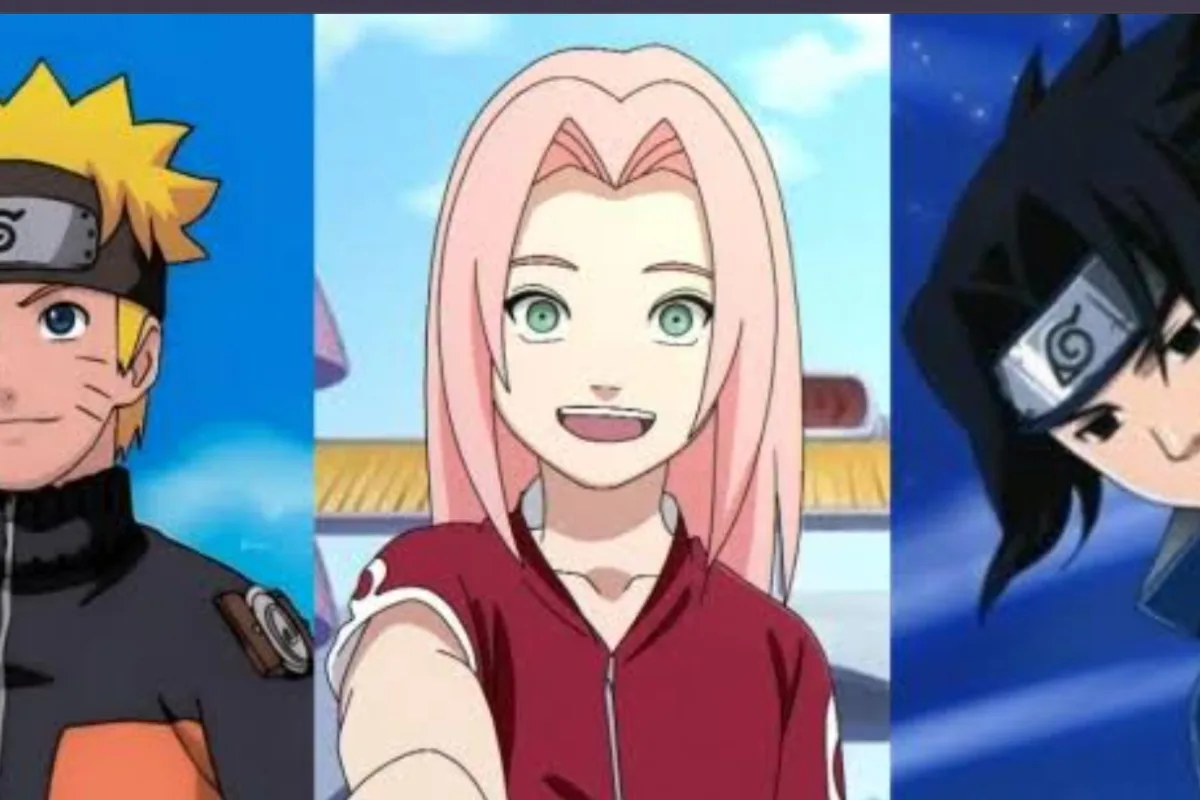
Attack on Titan’s Extraordinary Legacy: The Creators Reveal the Struggles Behind Its Global Success
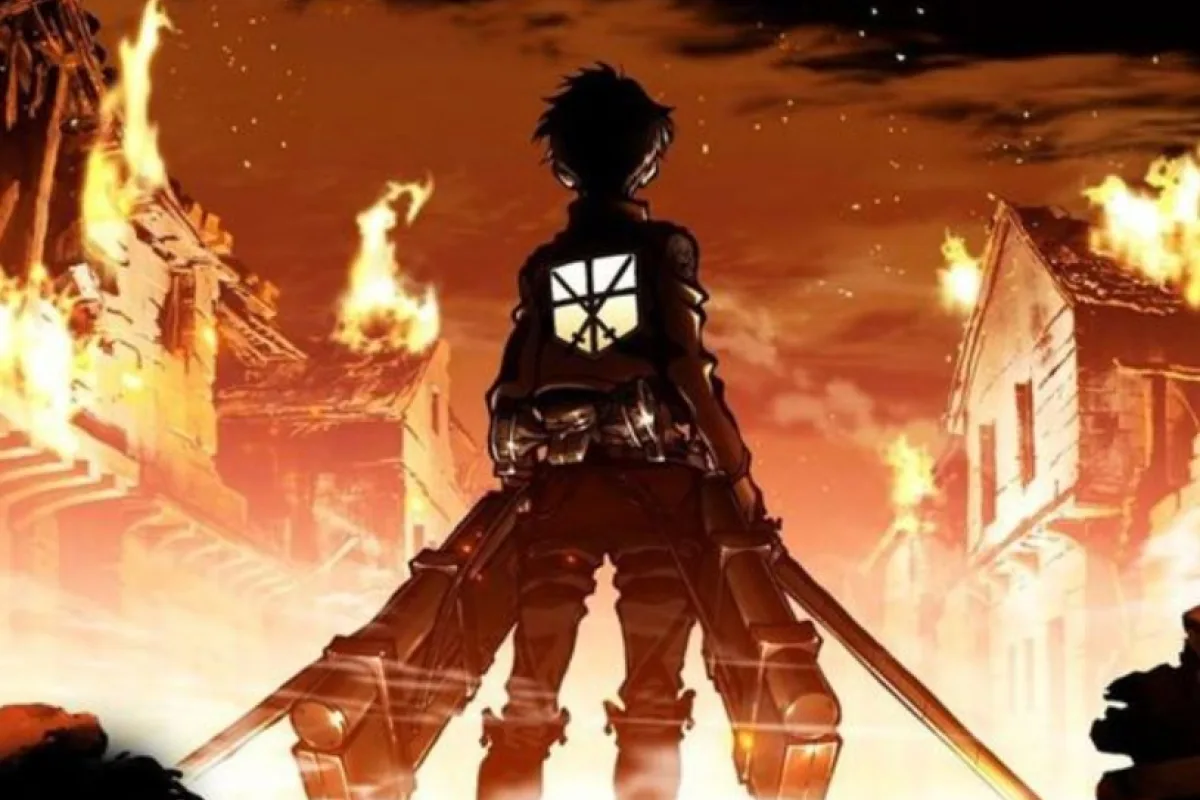
FUMESCANS – Nearly 15 years after Attack on Titan first reached television audiences, the people who helped bring its story to life are looking back on a production journey filled with pressure, unexpected breakthroughs, and difficult decisions.
Director Tetsuro Araki and animation producer Tetsuya Nakatake recently reflected on their experiences working on the adaptation at WIT Studio, describing its eventual achievement as something remarkably rare.
When the anime premiered in 2013, Araki did not anticipate that it would become such a major international phenomenon. Although he believed the team was creating a compelling production, he had not expected it to achieve such substantial commercial success.
The adaptation ultimately introduced Hajime Isayama’s original manga to a much wider audience, including viewers beyond Japan. For Araki, animation offered an opportunity to communicate the manga’s intense atmosphere through movement, sound, and visual storytelling. He viewed the action sequences and dramatic narrative as complementary elements, with each strengthening the impact of the other.
The series’ high-speed maneuvering equipment scenes and confrontations with Titans became defining features of its identity. However, the impressive results concealed a demanding production process. Araki explained that completing storyboards could take a considerable amount of time, leaving the animation team with tight deadlines before episodes were ready for broadcast.
The staff frequently had to turn ambitious creative ideas into finished scenes under considerable pressure. Despite these difficulties, the production team continued experimenting with different approaches. Araki credited the animators and 3D specialists with contributing fresh ideas that helped shape the show's distinctive visual style.
❖❖ : Tempting Every Moment! Analysis of Survival Instinct Manhwa Chapter 10 (ENG SCAN)
Some of these creative decisions became important parts of the series’ action sequences, demonstrating how collaboration could transform production challenges into opportunities for innovation. The experience also prompted WIT Studio to reconsider how it organized its work.
According to Nakatake, the studio adjusted its staffing and production structure after the first season in an effort to create a more manageable schedule. Araki particularly remembered the second season as a period when the team achieved a stronger balance between maintaining animation quality and establishing a more stable workflow.
Another significant chapter came when MAPPA took over the adaptation for The Final Season. Rather than viewing the change as a break in the story's identity, Araki praised the people responsible for carrying the series through to its conclusion, including director Yuichiro Hayashi.
❖❖ : Fatal Mistake! Why the English Version of Dog Bite Dog Chapter 7 Is So Epic
He acknowledged that the completed work was the result of contributions from both studios and the many professionals involved throughout its production. Reflecting on the entire journey, Araki described Attack on Titan as a “miraculous work.”
His comment captured the unusual combination of creative ambition, production difficulties, and worldwide recognition that defined the adaptation. For the original team, its legacy is not simply a measure of popularity, but also a reminder of what can emerge when many artists work together toward a shared vision.
What Is Anime?
Anime refers to animated productions associated with Japan, encompassing television series, feature films, and shorter works across a wide variety of genres. These productions can tell stories about adventure, fantasy, science fiction, relationships, history, and many other subjects.
Anime adaptations are often based on manga, novels, or video games, although some are created from original concepts. Through distinctive character designs, expressive animation, music, and detailed storytelling, anime can appeal to audiences of different ages and backgrounds.
Attack on Titan demonstrates how animation can combine action and suspense with broader themes involving freedom, survival, and humanity.
This is all the information we can provide. We hope you find it useful and that you'll be able to stay up to date on the latest news in our next article!
Latest Updates
Check It Out! What Does 'Regret' Mean in the Manhwa Cry, or Better Yet, Beg Chapter 93 in English?
Saturday / 31-10-2026, 00:42 EST
Complete List of Spoilers for the Manhwa Cry, or Better Yet, Beg Chapter 92 in English, RAW! Layla’s Departure
Saturday / 31-10-2026, 00:25 EST
Time for a Date! Explanation of the BL Manhwa Nice To See You Chapter 25 in English
Saturday / 31-10-2026, 00:02 EST
RAW! New Developments in the BL Manhwa Nice To See You Chapter 24 (English), Season 2 Set to Release
Friday / 30-10-2026, 23:40 EST
Thrilling Action! A Comparison of Adventures in the Manhwa Solo Leveling: Ragnarok Chapter 70 (ENG SCAN)
Friday / 30-10-2026, 23:27 EST
RAW! New Recommendations for the Manhwa Solo Leveling: Ragnarok Chapter 69 in English, Waiting for the New Season
Friday / 30-10-2026, 23:04 EST
Dangerous When Alone! Unique Facts About Magic Emperor Manhua Chapter 931 in English
Friday / 30-10-2026, 22:48 EST
Release Schedule for Magic Emperor Manhua Chapter 930 in English, RAW! The Troublesome Woman
Friday / 30-10-2026, 22:26 EST
Experience the BL Manhwa Finding My Angel in English, Read Full Chapters for Free Without Logging In
Friday / 30-10-2026, 22:03 EST
A Little Awkward! Predictions for Chapter 14 of the BL Manhwa Finding My Angel in English
Friday / 30-10-2026, 21:41 EST
RAW! Who Wins in Chapter 13 of the BL Manhwa Finding My Angel in English? Here’s the Answer
Friday / 30-10-2026, 21:28 EST
Analysis of the BL Manhwa Scandalous Wedding in English Full Chapters 1–49, Read for Free
Friday / 30-10-2026, 21:01 EST
The Fear Never Leaves Raccoon City, Why Resident Evil 3 Remake Remains a Chilling Experience
Friday / 30-10-2026, 20:41 EST
From Rivalry to Romance! How Chika Fujiwara Helps Miko Iino Face Her Feelings for Ishigami
Friday / 30-10-2026, 20:27 EST