Exploring Sophia's Past and Ancient Mythology in Resonance: A Plague Tale Legacy
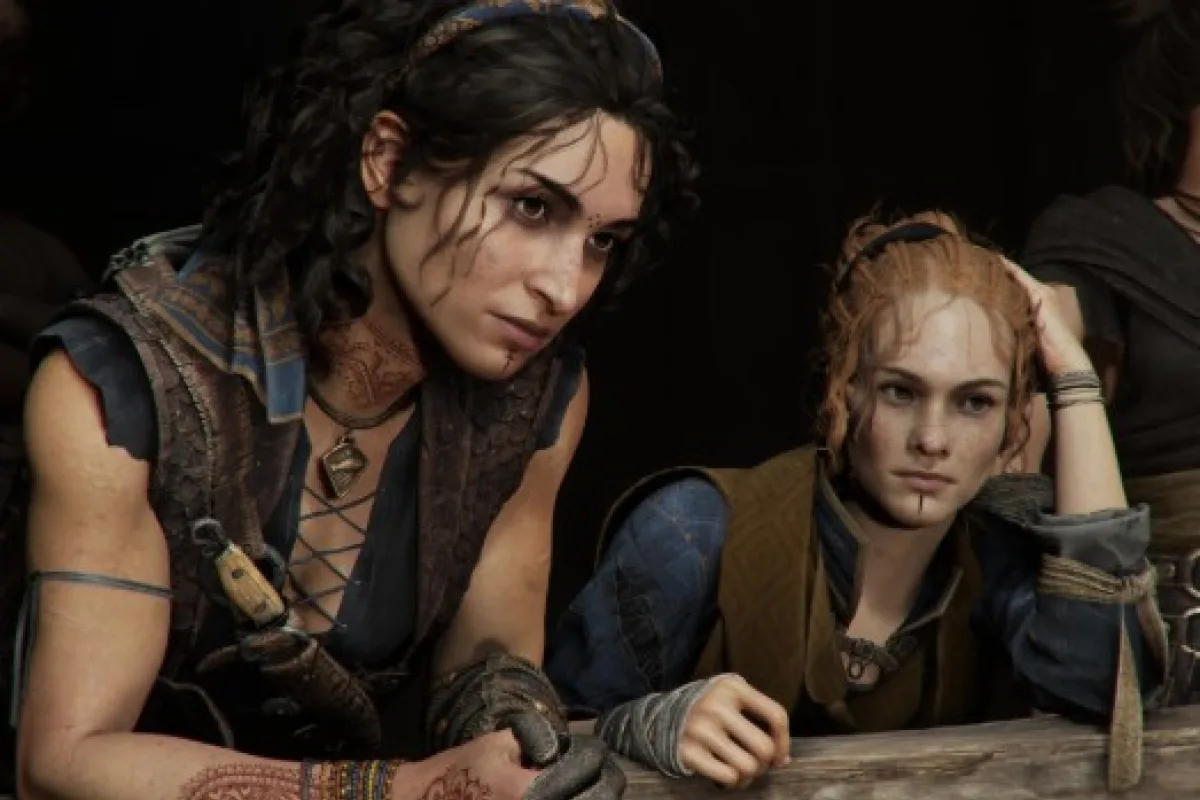
FUME OTN - Asobo Studio has taken a bold step in the modern gaming industry with its latest release, Resonance: A Plague Tale Legacy. Instead of delivering a direct sequel that continues the emotional saga of Amicia and Hugo De Rune, the French developer chose to change course.
They have created a spin-off and prequel centered on the younger years of Sophia the pirate captain who was one of the most beloved supporting characters in the previous game. The result is a concise, tightly paced linear adventure that completely reimagines the mechanical identity long associated with the series.
>>> Does This Really Help? Manhwa Twelve Nyang, Four Chon, Two Chon Eight Pun Chapter 6 Eng Scan
The narrative's main draw lies in its dual-timeline storytelling structure. Through Sophia’s supernatural visions, players alternate between controlling the pirate in the medieval era and Theseus, an ancient warrior from the age of mythology. These transitions between eras are seamlessly executed through environmental puzzles, where actions taken in the past alter the layout of the ruins Sophia explores in the future.
The most radical change and the one sparking debate among fans is the complete transformation of the gameplay. While its two predecessors relied heavily on stealth-survival mechanics, hiding tactics, and manipulating swarms of plague-bearing rats, Resonance has fully transformed into a linear action-adventure game in the vein of Tomb Raider or Uncharted.
>>> Cry, or Better Yet, Beg Ch. 86 Eng Scans, There Will Be Many Heartbreaking Events
Key Takeaways from the Game Review
1. A Shift in Formula: From Stealth-Survival to Action-Packed
- Focus on Swords: Unlike Amicia and Hugo, who relied on slingshots and stealth tactics, Sophia is a formidable melee fighter. The game adopts a combat system similar to Uncharted or modern Tomb Raider titles.
- Combat Mechanics: Features a parry-heavy system reminiscent of Sekiro or Batman: Arkham Asylum. Players fight using swords, daggers, and evasive maneuvers, while also utilizing mechanics like stance-breaking and a grappling hook to pull in enemies.
- Light RPG Elements: Includes a simple skill tree with six abilities and a charm/sword collectible system. Some critics felt these RPG elements were shallow and non-essential, though fortunately, they do not disrupt the core gameplay flow.
>>> Legend of Dangun Manhwa: Complete Story Overview, Lore, and Chapter Status
2. Plot and Mythological Narrative
- Treasure Hunt: The narrative centers on Sophia’s voyage with her father’s pirate crew to Minos Island (Crete) to unravel the mysteries of the ancient Minoan civilization and its labyrinth.
- Dual Timelines: A key strength of the story lies in Sophia’s visions of the past, which connect her to Theseus, an ancient warrior. Players occasionally take control of Theseus, creating a seamlessly executed dual-timeline narrative.
- Character Bonds: The relationship between Sophia and her companion, Lenny, is strong and well-written, though some reviews felt their dynamic didn't quite match the emotional bond shared by Amicia and Hugo in the main game.
>>> Leaks Pick Me Up, Infinite Gacha Chapter 219 in English New Gun For The Best Hero
3. Technical Performance and Visuals
- Stunning Graphics: Asobo Studio once again demonstrates its prowess with the Zouna engine, delivering breathtaking visuals of the island environment and ancient ruins perfect for the photo mode feature.
- Console vs. PC Performance: According to Digital Foundry’s technical analysis, the PC version offers exceptional performance scalability that surpasses the console versions. On PS5, performance mode runs stably at a targeted 60fps.
For some longtime fans, the absence of the terrifying swarms of colossal rats might feel disappointing. However, as an experiment in expanding the universe, Resonance: A Plague Tale Legacy successfully stands tall as a solid, highly enjoyable mythological action game.
Latest Updates
Check It Out! What Does 'Regret' Mean in the Manhwa Cry, or Better Yet, Beg Chapter 93 in English?
Saturday / 31-10-2026, 00:42 EST
Complete List of Spoilers for the Manhwa Cry, or Better Yet, Beg Chapter 92 in English, RAW! Layla’s Departure
Saturday / 31-10-2026, 00:25 EST
Time for a Date! Explanation of the BL Manhwa Nice To See You Chapter 25 in English
Saturday / 31-10-2026, 00:02 EST
RAW! New Developments in the BL Manhwa Nice To See You Chapter 24 (English), Season 2 Set to Release
Friday / 30-10-2026, 23:40 EST
Thrilling Action! A Comparison of Adventures in the Manhwa Solo Leveling: Ragnarok Chapter 70 (ENG SCAN)
Friday / 30-10-2026, 23:27 EST
RAW! New Recommendations for the Manhwa Solo Leveling: Ragnarok Chapter 69 in English, Waiting for the New Season
Friday / 30-10-2026, 23:04 EST
Dangerous When Alone! Unique Facts About Magic Emperor Manhua Chapter 931 in English
Friday / 30-10-2026, 22:48 EST
Release Schedule for Magic Emperor Manhua Chapter 930 in English, RAW! The Troublesome Woman
Friday / 30-10-2026, 22:26 EST
Experience the BL Manhwa Finding My Angel in English, Read Full Chapters for Free Without Logging In
Friday / 30-10-2026, 22:03 EST
A Little Awkward! Predictions for Chapter 14 of the BL Manhwa Finding My Angel in English
Friday / 30-10-2026, 21:41 EST
RAW! Who Wins in Chapter 13 of the BL Manhwa Finding My Angel in English? Here’s the Answer
Friday / 30-10-2026, 21:28 EST
Analysis of the BL Manhwa Scandalous Wedding in English Full Chapters 1–49, Read for Free
Friday / 30-10-2026, 21:01 EST
The Fear Never Leaves Raccoon City, Why Resident Evil 3 Remake Remains a Chilling Experience
Friday / 30-10-2026, 20:41 EST
From Rivalry to Romance! How Chika Fujiwara Helps Miko Iino Face Her Feelings for Ishigami
Friday / 30-10-2026, 20:27 EST